
In an era where experiences define brands, Event Branding in 2025 has become a crucial strategy for ensuring memorable and impactful events. With the evolving landscape of event marketing, businesses and event planners must embrace innovative branding techniques to captivate audiences and leave lasting impressions. Whether hosting a corporate seminar, product launch, or festival, a well-branded event fosters stronger connections and enhances recognition. Therefore, understanding how to implement effective branding strategies is essential.
Understanding the Importance of Event Branding
Event branding is more than just a logo or theme—it is the essence of an event’s identity. A compelling brand experience engages attendees, communicates the event’s purpose, and distinguishes it from competitors. In 2025, personalization, immersive experiences, and digital integration will play key roles in effective event branding. Consequently, businesses must stay ahead by adopting modern branding techniques.
Key Benefits of Event Branding
- Enhanced Recognition: A strong brand presence ensures that attendees remember and associate the event with quality and credibility. As a result, it builds trust and loyalty.
- Increased Engagement: A well-branded event encourages participation, social media sharing, and audience interaction. Therefore, it boosts overall event success.
- Stronger Emotional Connection: Branding creates a sense of belonging and loyalty among attendees. In turn, this enhances their overall experience.
- Better Sponsorship Opportunities: Sponsors are more likely to invest in events that showcase a professional and cohesive brand identity. This, in turn, increases funding opportunities.
Top Strategies for Effective Event Branding in 2025
1. Leverage Digital Technology for Branding
Technology has revolutionized event branding. Augmented reality (AR), virtual reality (VR), and artificial intelligence (AI) are being integrated into events to create immersive brand experiences. Furthermore, interactive displays, branded event apps, and AI-powered chatbots enhance audience engagement while reinforcing brand identity. Thus, incorporating technology is a game-changer for event branding.
2. Consistency Across All Touchpoints
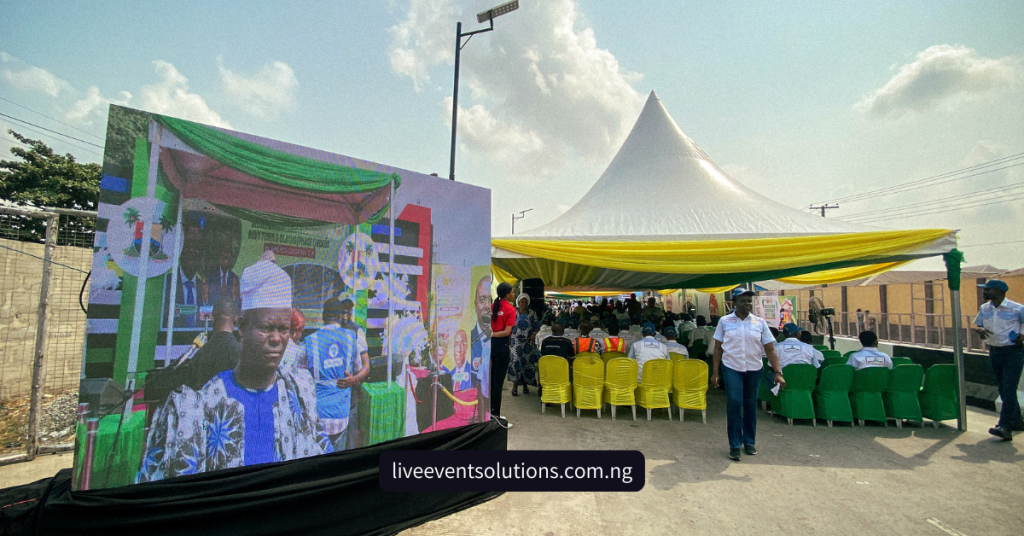
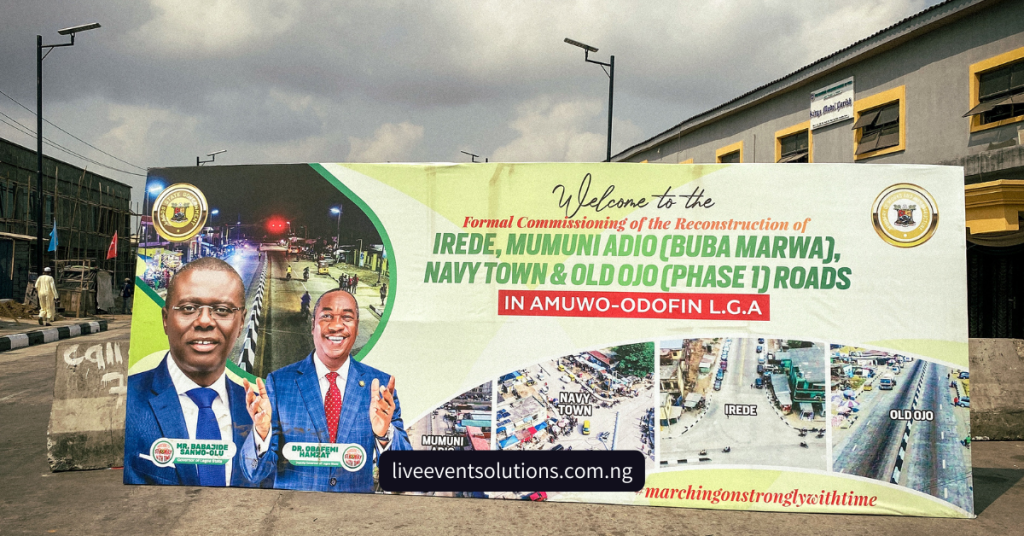
Every aspect of the event—promotional materials, stage design, social media posts, and merchandise—should maintain brand consistency. This ensures a cohesive and professional look, strengthening brand recall. Therefore, from the event website to email invitations and signage, branding elements should be unified. As a result, attendees will have a seamless and recognizable experience.
3. Personalization for Audience Connection
Attendees value personalized experiences. By using data-driven insights, event organizers can tailor content, offers, and engagement strategies to specific audience segments. For example, custom name badges, personalized event swag, and AI-driven recommendations can enhance the attendee experience and reinforce brand affinity. Additionally, personal touches create a deeper emotional connection with attendees.
4. Engaging Social Media and Influencer Marketing
Social media platforms are powerful tools for event branding. Branded hashtags, behind-the-scenes content, and live streaming help boost visibility before, during, and after the event. In addition, collaborating with influencers and industry experts can expand reach and credibility. Therefore, leveraging social media effectively is crucial for maximizing event exposure.
5. Sustainable and Ethical Branding
Sustainability is a growing concern in event branding. Eco-friendly branding materials, waste reduction strategies, and corporate social responsibility initiatives resonate with modern audiences. Moreover, in 2025, event attendees are more likely to support brands that prioritize sustainability. Consequently, incorporating green practices can enhance an event’s reputation and appeal.
6. Storytelling and Experiential Branding
Telling a compelling story through branding creates emotional connections. Consequently, experiential marketing techniques, such as themed installations, interactive brand experiences, and immersive storytelling, make events more memorable and engaging. Furthermore, when attendees feel connected to the event’s story, they are more likely to share their experiences and become brand advocates.
Measuring the Success of Event Branding
To ensure the effectiveness of branding strategies, event organizers must track key performance indicators (KPIs). Metrics such as social media engagement, attendee feedback, brand mentions, and sponsorship interest provide valuable insights into branding success. Additionally, tools like analytics software and post-event surveys can help assess impact and refine future branding efforts. Therefore, consistently evaluating branding efforts is essential for long-term success.
The Ultimate Lagos Wedding Planning Checklist for a Stress-Free Celebration
Conclusion
As the event industry evolves, Event Branding in 2025 will demand innovation, creativity, and strategic planning. By leveraging technology, ensuring brand consistency, embracing personalization, and prioritizing sustainability, event organizers can create impactful and unforgettable experiences. Ultimately, for expert event branding solutions, Live Event Rental Solutions offers professional services to help your event stand out. So, let us transform your next event into an immersive and memorable brand experience.
Follow us on Instagram
For professional assistance in planning your next event, contact us at +234 9085190211 or +234 8101388999
