Planning a successful event requires more than just choosing a venue and sending invitations. Whether you’re organizing a corporate conference, wedding, product launch, fundraiser, or private celebration, understanding the difference between event planning and event management is essential for achieving your goals.

Many people use these terms interchangeably, but they represent different stages and responsibilities within the event process. Knowing how event planning and event management work can help you choose the right services, allocate resources effectively, and ensure a seamless event experience.
In this guide, we’ll explain the key differences between event planning and event management, why both are important, and how they work together to create memorable events.
What Is Event Planning?
Event planning is the strategic process of designing and preparing an event before it takes place. It focuses on creating a clear vision, setting objectives, and organizing all the elements needed to bring the event to life.
An event planner is responsible for developing the event concept and coordinating all the preparations leading up to the event day.
Key Responsibilities of Event Planning
- Defining event goals and objectives
- Creating an event budget
- Selecting venues
- Developing event themes and concepts
- Coordinating vendors and suppliers
- Managing guest lists and registrations
- Planning logistics and schedules
- Marketing and promoting the event
- Organizing catering, entertainment, and décor
The planning phase lays the foundation for a successful event by ensuring every detail is carefully considered before execution begins.
What Is Event Management?
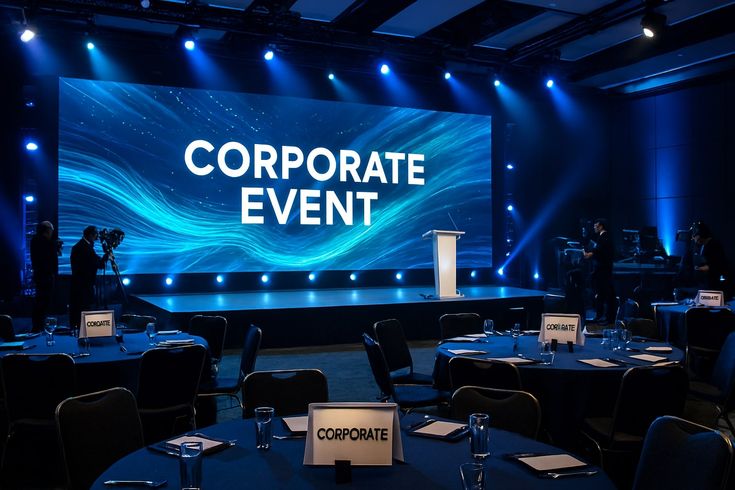
Event management focuses on executing and overseeing the event on the day it takes place. It involves coordinating people, processes, and resources to ensure everything runs according to plan.
While event planning is about preparation, event management is about implementation and real-time problem-solving.
Key Responsibilities of Event Management
- Supervising event setup and breakdown
- Managing event staff and volunteers
- Coordinating vendors on-site
- Monitoring schedules and timelines
- Handling attendee needs
- Managing technical equipment and production
- Resolving unexpected issues
- Ensuring health and safety compliance
- Overseeing the overall event experience
Event managers work behind the scenes to ensure every aspect of the event operates smoothly from start to finish.
Event Planning vs. Event Management: The Key Differences
Although closely related, event planning and event management have distinct roles.
| Event Planning | Event Management |
|---|---|
| Focuses on preparation and strategy | Focuses on execution and operations |
| Takes place before the event | Takes place during the event |
| Develops concepts and budgets | Oversees implementation |
| Coordinates vendors in advance | Manages vendors on-site |
| Creates event timelines | Ensures timelines are followed |
| Plans guest experience | Delivers guest experience |
| Identifies potential needs | Solves real-time challenges |
In simple terms, event planning creates the roadmap, while event management ensures the journey goes smoothly.
Futher Read: How to Create a Guest List Without Overspending
Why Both Event Planning and Event Management Matter
Many events fail not because of poor ideas but because of inadequate planning or ineffective management.

The Benefits of Effective Event Planning
- Clear event objectives
- Better budget control
- Improved organization
- Reduced risks
- Stronger vendor coordination
- Enhanced attendee experience
The Benefits of Professional Event Management
- Smooth event execution
- Efficient problem-solving
- Reduced stress for organizers
- Better crowd management
- Improved coordination among teams
- Greater event success
When both functions work together, they create a seamless experience for guests and stakeholders.
When Do You Need Event Planning Services?
You may benefit from professional event planning services if:
- You’re organizing a large-scale event
- You need help developing an event concept
- You have limited time for preparations
- You require vendor sourcing and negotiation
- You need budget management support
- You’re planning a corporate event, wedding, conference, or product launch
Professional event planners help transform ideas into detailed action plans.
When Do You Need Event Management Services?
Event management services are especially valuable when:
- Multiple vendors are involved
- The event has complex logistics
- Large numbers of attendees are expected
- Technical production is required
- You want professional oversight on event day
- You need immediate problem-solving support
An experienced event manager ensures every moving part works together smoothly.
How Event Planning and Event Management Work Together
The most successful events combine strategic planning with professional management.
For example, during a corporate conference:
- The event planner develops the concept and budget.
- Vendors, speakers, and venues are secured.
- Marketing and registration processes are organized.
- The event manager oversees setup and logistics.
- Staff, vendors, and attendees are coordinated on-site.
- Any issues are resolved quickly during the event.
- The event concludes successfully and professionally.
This collaboration helps ensure that plans are effectively executed and event goals are achieved.
Common Misconceptions About Event Planning and Event Management
They Are the Same Thing
While related, they involve different responsibilities. Planning focuses on preparation, while management focuses on execution.
Small Events Don’t Need Professional Support
Even smaller events can benefit from expert planning and management to avoid costly mistakes and reduce stress.
Event Management Only Happens on Event Day
Successful event management often begins before the event through coordination meetings, site inspections, and operational planning.
Choosing the Right Event Partner
When selecting an event professional, look for:
- Industry experience
- Strong organizational skills
- Vendor management expertise
- Proven event portfolio
- Effective communication
- Problem-solving abilities
- Positive client testimonials
A reliable event company can provide both planning and management services, ensuring a cohesive approach from concept to completion.
Conclusion
Understanding the difference between event planning and event management is essential for organizing successful events. While event planning focuses on developing the strategy, budget, logistics, and overall vision, event management ensures everything is executed flawlessly on the day of the event.
Both functions play a critical role in creating memorable experiences, minimizing risks, and achieving event objectives. Whether you’re organizing a corporate conference, wedding, product launch, or private celebration, investing in professional event planning and event management services can make the difference between a stressful experience and a successful event.
By combining careful preparation with expert execution, you can ensure your event runs smoothly and leaves a lasting impression on your guests.
Follow us on Instagram